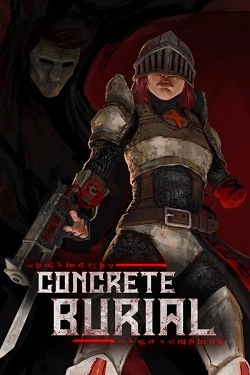
CONCRETE BURIAL
2026
Cemeteries represent a dark combination of ancient rooms and rough brutalist architecture, where behind every turn may hide
Open card ARTICSTRACKER
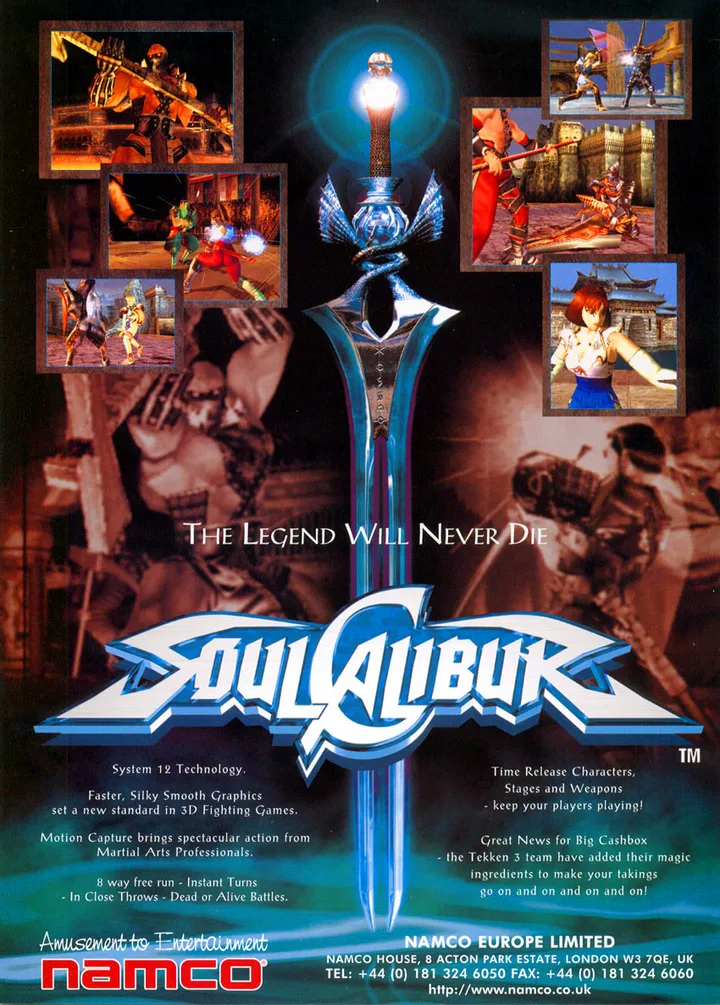
1998 · Xbox One · Xbox 360 · Arcade · The Data Archivist V0.01
VIDEO LONGPLAY : https://archive.org/details/Arcade_Longplay_-_SoulCalibur_-_US Source : https://en.wikipedia.org/wiki/Soulcalibur_(video_game) Soulcalibur [a] is a weapon-based 3D fighting game developed by Project Soul and produced by Namco . It is the second game in the Soulcalibur series, preceded by Soul Edge in December 1995. Originally released in arcades on July 30, 1998, it ran on the Namco System 12 hardware. It was ported to the Dreamcast in 1999 with new features and improved graphics. The North American version was released in September 1999 as a launch game for the Dreamcast and was part of the successful launch of the new console. It became available as a downloadable title on the Xbox 360 's Xbox Live Marketplace in July 2008 and it is forward compatible with the Xbox One along with the sequel, Soulcalibur II . The game centers on the pursuit of the legendary weapon known as Soul Edge, now in the possession of a warrior known as Nightmare, who slaughters countless people to satisfy the blade's bloodlust. Other warriors pursue him either to claim the weapon for themselves or to destroy it, end his mass murder, and free him of its curse. Developed closely with Namco 's Tekken development team, it is one of the few home console ports that outdid their arcade parent performance-wise. The title brought many innovations to the fighting game genre that include a heavy emphasis on weapons and a unique eight-way movement system. Soulcalibur received unanimous critical applause upon release; it is the second-highest-rated video game of all time, with a 98 rating on Metacritic . It won the majority of Game of the Year awards in its respective year, and is widely regarded as one of the greatest fighting games and one of the greatest video games ever made , topping numerous "best of" lists in years following. Gameplay Further information: Gameplay of Soul Edge Nightmare fighting against Sophitia in the Dreamcast version. One of the biggest innovations introduced by Soulcalibur to the gameplay system of its predecessor, Soul Edge , is the eight-way run. Previous 3D fighters had only limited movement along the third axis , with sidesteps and rolls providing useful but unsustained lateral movement. In Soulcalibur , simply holding down a joystick direction causes the character to move in that direction, giving the player a sense of freedom and deepening the strategy of the game. Soulcalibur also features "forgiving buffering", allowing players to enter an input for one move before their characters have finished recovering from their previous move, which makes executing a quick succession of moves easier (other fighting games such as the Tekken and Virtua Fighter series have relatively strict buffering requirements, meaning expert timing is required to pull off many combinations, but Soulcalibur features much more lenient timing to successfully execute a buffer). Finally, the Guard Impact offensive blocking maneuver shown in Soul Edge has been given a deeper range of techniques, allowing players to push back or redirect attacks past themselves as well as swatting away an opponent's weapon to stun them. Characters Further information: Characters of the Soulcalibur series Soulcalibur was originally planned to be a dramatic overhaul, with all new characters apart from Mitsurugi from Soul Edge . [1] However, nine of the 11 characters from Soul Edge ended up carrying over to Soulcalibur by the time the roster was finalized in the Dreamcast version ( Cervantes , Hwang , Seong Mi-na , Mitsurugi, Rock , Siegfried , Sophitia , Taki , Voldo ), with an additional ten new characters joining the ranks (in the South Korean version of the game, Mitsurugi was replaced by an English-Japanese swordsman named Arthur [2] ). Cervantes exclusively appears outside original arcade version, in additions to a playable version of the final boss character, Inferno. The arcade version featured a staggered Time Release system for hidden characters [3] akin to the Tekken series as well as codes that could be entered on the Namco website. [4] As with many fighting games, many of the new characters were heavily styled after existing characters from the franchise. For example, new character Maxi has a fighting style and move set influenced by Soul Edge's Li Long (the only of the original starting characters not to return). In fact, Soulcalibur only added one original playing style, belonging to Ivy . New characters Xianghua , Maxi, Yoshimitsu , Astaroth , Kilik , Nightmare (re-introduced from Soul Edge as a regular character), and Lizardman were based upon existing characters Hwang, Li Long, Mitsurugi, Rock, Seong Mi-na, Siegfried, and Sophitia, respectively. Consequently, Namco has been working since Soulcalibur to gradually separate the individual styles of the characters in order to make each one unique. Plot The mystical sword of the legends, the "Soul Edge", ended up in the hands of the dreaded pirate Cervantes de Leon of Spain. For the
en
572fdaf7aafdd9ba969091224fd55b72e710a9f32026
Cemeteries represent a dark combination of ancient rooms and rough brutalist architecture, where behind every turn may hide
Open card
2026
The story goes beyond the carnival and allows you to experience other tense locations. Olivia interacts with characters and calls them
Open card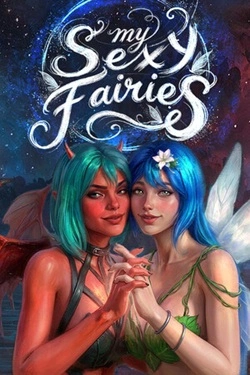
2026
Each heroine gets her own story line, so communication with fairies gradually reveals their personalities, desires and abilities. Pom
Open card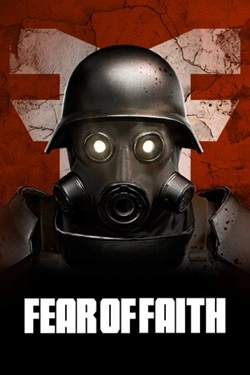
2026
Before each excursion, you can form a squad of four classes, and then combine their abilities to achieve useful synergy. Can collect
Open card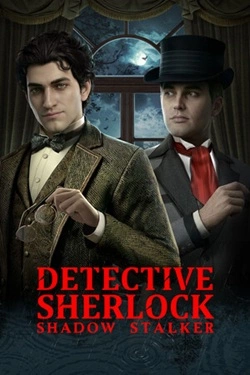
2026
Instead of pre-prepared answer options, you can freely talk to characters. You can interrogate them, persuade
Open card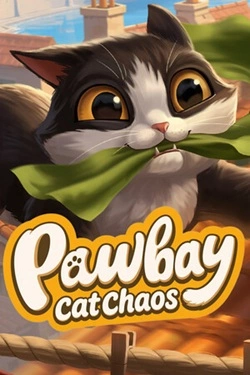
2026
City is open for exploration, and you can move around it not only on the streets. The cat can climb roofs, jump on boxes and
Open card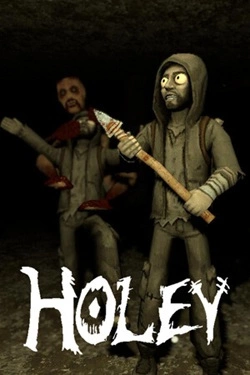
2026
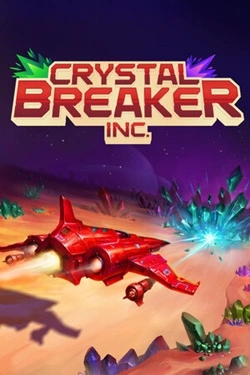
Crystal breaking provides the necessary resources that can be invested in improving the main weapon. More powerful weaponry provides
Open card ARTICS TOOLSОнлайн-инструменты для работы с изображениями, файлами, QR-кодами и веб-технологиями.
 ARTICSNETДомены, хостинг, DNS, SSL, электронная почта и управление интернет-сервисами в единой платформе.🚧 Скоро запуск · В разработке
 ARCTICS NETWORKПроверка IP-адресов, доменов, DNS-записей и диагностика сетевых подключений.