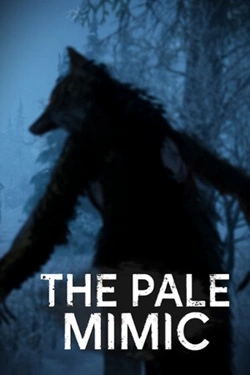
The Pale Mimic
2026
During the day, the forest may seem almost calm, but any journey outside the shelter is risky. Hunting becomes necessary: need to
Open card ARTICSTRACKER
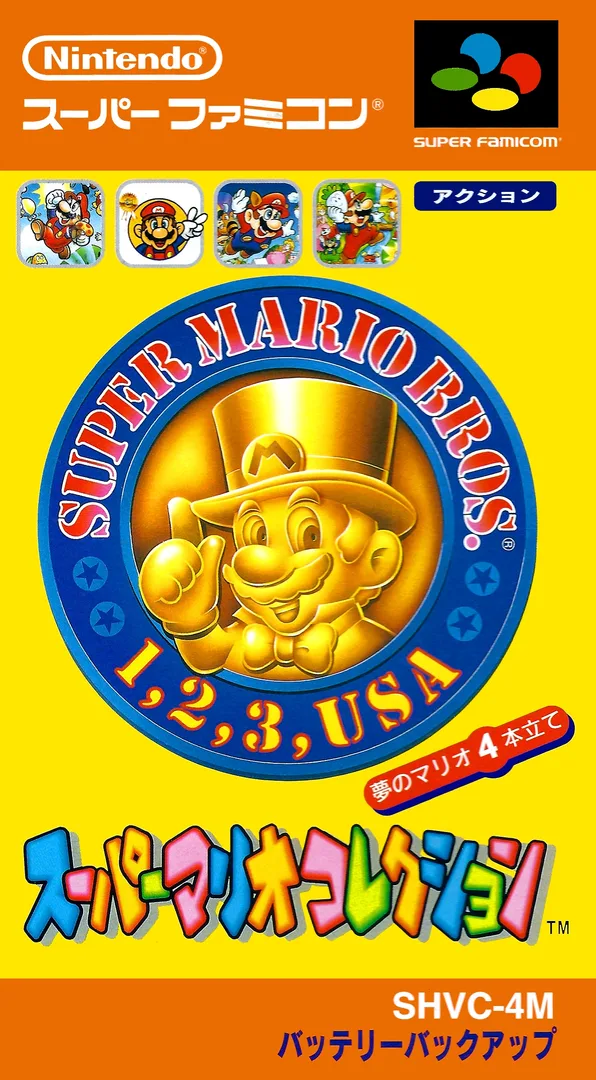
1993 · Super Nintendo · NES · The Data Archivist V0.01
PLAY ONLINE : https://archive.org/details/super-mario-all-stars-snes MANUAL : JP : https://archive.org/details/supermariocollectionsfclq SP : https://archive.org/details/instrucciones-super-mario-all-stars-esp US : https://archive.org/details/super-mario-all-stars-snes-manual VIDEO LONGPLAY : https://archive.org/details/super-mario-all-stars-nintendo-snes-pal-gameplay-two-player-battle-mode-part-01- Source : https://en.wikipedia.org/wiki/Super_Mario_All-Stars Super Mario All-Stars [a] is a 1993 compilation of platform games for the Super Nintendo Entertainment System (SNES). It contains remakes of Nintendo 's four Super Mario games released for the Nintendo Entertainment System (NES) and the Famicom Disk System : Super Mario Bros. (1985), Super Mario Bros.: The Lost Levels (1986), Super Mario Bros. 2 (1988), and Super Mario Bros. 3 (1988). As in the original games, players control the Italian plumber Mario and his brother Luigi through themed worlds, collecting power-ups , avoiding obstacles, and finding secrets. The remakes feature updated graphics—including the addition of parallax scrolling —and music, modified game physics , a save feature, and bug fixes. Nintendo Entertainment Analysis & Development developed the compilation after the completion of Super Mario Kart (1992) at the suggestion of Mario creator Shigeru Miyamoto . No longer restricted by the limitations of the 8-bit NES, Nintendo chose to remake them for the 16-bit SNES. The developers based the updated designs on those from Super Mario World (1990) and strove to retain the feel of the original games. Nintendo released Super Mario All-Stars worldwide in late 1993 and rereleased it in 1994 with Super Mario World included. The compilation marked The Lost Levels ' first release outside Japan; it was not released on the NES in Western territories because Nintendo deemed it too difficult at the time. Super Mario All-Stars received critical acclaim and is one of the bestselling Super Mario games, with 10.55 million copies sold by 2015. Critics considered it one of the best SNES games and praised the updated graphics and music, but criticized its lack of innovation. All-Stars served as a basis for later Super Mario rereleases and was described by Famitsu as a role model for video game remakes. It was rereleased twice for the anniversary of Super Mario Bros. : in 2010 (the 25th anniversary) in a special package for the Wii , and in 2020 (the 35th anniversary ) for the Nintendo Switch as part of the Nintendo Switch Online legacy games service. The Wii rerelease sold 2.24 million copies by 2011 but received mixed reviews, with criticism for being exactly the same as the SNES game, lacking any additional games or features. Content Main articles: Super Mario Bros. , Super Mario Bros.: The Lost Levels , Super Mario Bros. 2 , and Super Mario Bros. 3 Comparison of the NES version (top) and the Super Mario All-Stars version (bottom) of Super Mario Bros. Note the more detailed environment and background of the latter. Super Mario All-Stars is a compilation of the first four games in the Super Mario series— Super Mario Bros. (1985), Super Mario Bros.: The Lost Levels (1986), Super Mario Bros. 2 (1988), [b] and Super Mario Bros. 3 (1988) [3] —originally released for the 8-bit Nintendo Entertainment System (NES) and the Family Computer Disk System . [4] Additionally, a two-player bonus game based on Mario Bros. (1983) can be accessed from Super Mario Bros. 3 . [5] The games are faithful remakes featuring the original premises and level designs intact. [6] [7] They are 2D side-scrolling platformers where the player controls the Italian plumber Mario and his brother Luigi through themed worlds. They jump between platforms, avoid enemies and inanimate obstacles, find hidden secrets (such as warp zones and vertical vines), and collect power-ups like the mushroom and the Invincibility Star . [4] [8] Super Mario Bros. , The Lost Levels , and Super Mario Bros. 3 follow Mario and Luigi as they attempt to rescue Princess Toadstool from the villainous Bowser , with the player stomping on enemies and breaking bricks as they progress. Super Mario Bros. 2 features a different storyline and gameplay style: Mario, Luigi, the Princess, and Toad must defeat the evil King Wart , who has cursed the land of dreaming . In this game, the player picks up and throws objects such as vegetables at enemies. [4] [9] The player selects one of the four from an in-game menu and can exit at any time by pausing . [10] The games feature updates that take advantage of the 16-bit hardware of the Super Nintendo Entertainment System (SNES), ranging from remastered soundtracks to revamped graphics and the addition of parallax scrolling . [6] Game physics were slightly modified and some glitches , such as the Minus World in Super Mario Bros. , were fixed. [11] [12] The difficulty level of The Lost Levels was slightly reduced: poison mushroom hazards, which can kill the player, are easier to distingui
en
f01f1c7a6a06f7ad2c3d1d4d0e663e5cea3b62752026
During the day, the forest may seem almost calm, but any journey outside the shelter is risky. Hunting becomes necessary: need to
Open card
2026
4 has always relied on herself after the losses she endured, but her desire to help others gradually comes up against questions
Open card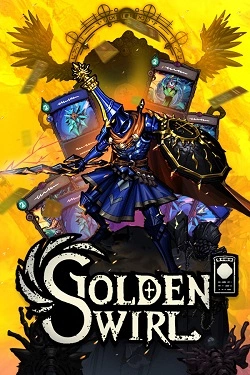
2026
Relics and runes significantly expand card capabilities, allowing the collection of builds with different focuses. Some combinations bet on sequence
Open card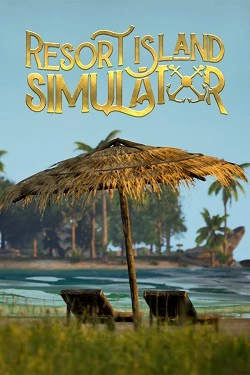
2026
To have an island capable of accommodating tourists, it must be equipped with all necessary resources. Hunting, growing products and production
Open card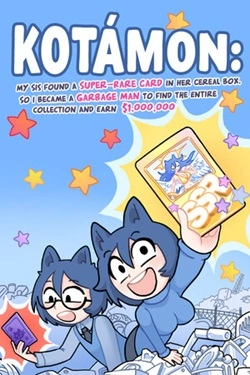
2026
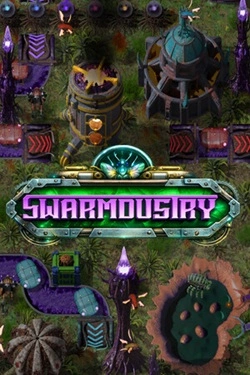
Initially, a significant portion of the work has to be done manually, but over time manual labor gives way to automation. Different presta
Open card
2026
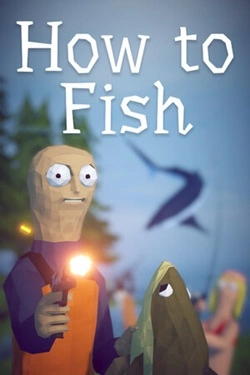
At the beginning, you practically have nothing, so you'll have to buy equipment with money earned from fishing. You can catch fish, sell
Open card ARTICS TOOLSОнлайн-инструменты для работы с изображениями, файлами, QR-кодами и веб-технологиями.
 ARTICSNETДомены, хостинг, DNS, SSL, электронная почта и управление интернет-сервисами в единой платформе.🚧 Скоро запуск · В разработке
 ARCTICS NETWORKПроверка IP-адресов, доменов, DNS-записей и диагностика сетевых подключений.