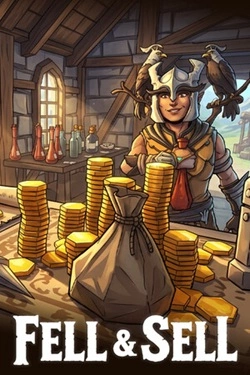
Fell & Sell
2026
Behind the store's back door lies a path into dark, skeleton-filled underground areas. The deeper you go
Open card ARTICSTRACKER
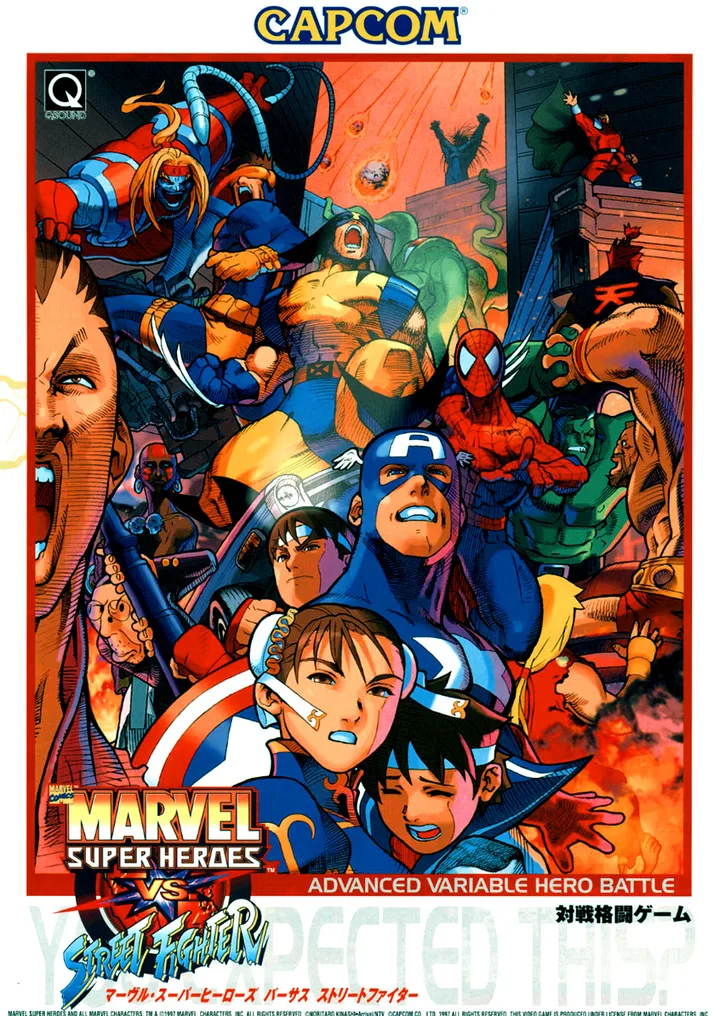
1997 · PlayStation · Arcade · The Data Archivist V0.01
PLAY ONLINE : https://archive.org/details/arcade_mshvsf MANUAL OPERATOR : https://archive.org/details/arcademanual_marvel-super-heroes-vs-street-fighter/mode/2up VIDEO ADVERTISING : https://archive.org/details/007944 Source : https://en.wikipedia.org/wiki/Marvel_Super_Heroes_vs._Street_Fighter Marvel Super Heroes vs. Street Fighter [a] is a crossover fighting video game developed and published by Capcom . It is the sequel to X-Men vs. Street Fighter and the second installment in the Marvel vs. Capcom series . The game was first released as an arcade game in 1997. It then received ports to the Sega Saturn in 1998 and the PlayStation in 1999. The gameplay and aesthetics of Marvel Super Heroes vs. Street Fighter remain similar to X-Men vs. Street Fighter . Each player selects two characters to compete in a one-on-one tag team fight, attempting to defeat the opposing team. The game replaces most of the X-Men cast from the previous installment with characters from other Marvel properties. In addition, it introduces a new gameplay mechanic known as the "Variable Assist", which would be used in future Marvel vs. Capcom titles. Much like its predecessor, the game received generally positive reviews for its gameplay, sprite animations, and character roster. The Sega Saturn version, utilizing the 4 MB RAM expansion cartridge, was praised for being an arcade-perfect conversion. Due to the memory limitations of the PlayStation, tag team battles were once again removed from its port, resulting in more mixed critical reception. A sequel, Marvel vs. Capcom: Clash of Super Heroes , was released in 1998. Gameplay Blackheart summons Shuma-Gorath to attack Chun-Li . Marvel Super Heroes vs. Street Fighter was the first game to introduce assists to the Marvel vs. Capcom series. Marvel Super Heroes vs. Street Fighter is the second installment in the Marvel vs. Capcom series of 2D fighting games . [3] It utilizes the same one-on-one tag team format previously employed in X-Men vs. Street Fighter . [4] The player chooses a team of two fighters, each sporting their own life gauge ; at the start of the match, the first selected character is controlled by the player, while the second character remains off-screen and acts as support. [5] Using a combination of joystick movements and button presses, the player must execute various moves to deplete the opposing team's life gauges. [5] The first player to completely drain the opponent's health is declared the winner. [5] If the timer reaches zero, the player that possesses the most health wins. [5] The most notable gameplay change in Marvel Super Heroes vs. Street Fighter is the addition of the "Variable Assist". [6] With the Variable Assist, the player can summon their off-screen character to perform a special move without changing their currently-controlled character, opening new possibilities for combos during battle and greatly expanding the role of the secondary character. [6] [7] The ability to use assists would later become a signature gameplay element used in several future installments of the Marvel vs. Capcom series. [7] Modes The arcade, Sega Saturn, and PlayStation versions of Marvel Super Heroes vs. Street Fighter share Arcade Mode and Versus Mode. [8] In Arcade Mode, the player fights waves of artificial intelligence -controlled teams, culminating in a penultimate battle against the boss character , Apocalypse , who previously appeared in X-Men vs. Street Fighter . [6] Upon defeating Apocalypse, the player must win against the final boss character, Cyber-Akuma. [6] The PlayStation version includes three exclusive game modes: Training, Hero Battle, and Cross Over. [9] Hero Battle is an endurance mode which pits the player against the characters that they did not select. [9] [10] In Cross Over, the player and the computer opponent fight with the same team of characters; if the player is victorious, then the computer swaps one character from both teams. [9] The PlayStation port also features a Gallery Mode containing promotional and character artwork, which are unlocked by completing various goals. [10] Playable characters See also: Characters in the Marvel vs. Capcom series Marvel Super Heroes vs. Street Fighter features a roster of 17 playable fighters, with nine characters from the Street Fighter universe and eight heroes from the Marvel Universe . [9] All of the X-Men characters featured in X-Men vs. Street Fighter , with the exception of Cyclops and Wolverine , are replaced with characters from other Marvel Comics properties, such as Captain America , Spider-Man , and the Hulk . [6] Most of the Street Fighter characters from the previous game return, with the exception of Cammy and Charlie (although Charlie is actually still in the game as a palette swapped secret character named "Shadow"), who are replaced by Dan and Sakura . [11] The Japanese arcade and console versions of Marvel Super Heroes vs. Street Fighter include an exclusive character named Norimaro (憲磨呂(ノリマロ)).
en
ca797726c4830e2d5c37ce79db901da108ae18d92026
Behind the store's back door lies a path into dark, skeleton-filled underground areas. The deeper you go
Open card
2026
Work begins right away in contaminated areas where you need to collect dirt and everything that can be useful for further processing.
Open card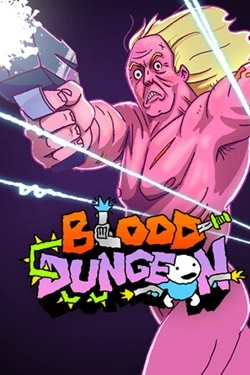
2026
In the depths, there are more than a hundred varieties of enemies, and each of them can complicate the progression in its own way. Flying mice fly through
Open card
2026
Main feature of the game process is the possibility to change surfing conditions independently. The seabed topography affects movement
Open card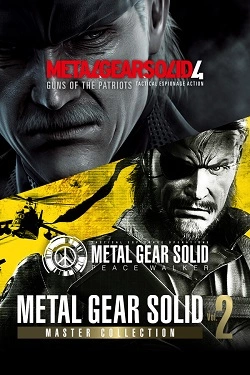
2026
Each of the presented games bets on stealth and careful planning. Instead of direct confrontation
Open card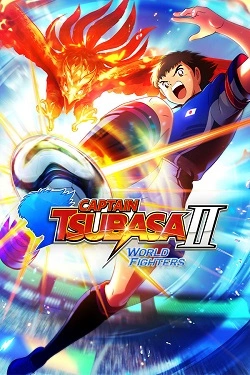
2026
In matches, you can pass the ball, intercept, block powerful shots, and attack the goal using special
Open card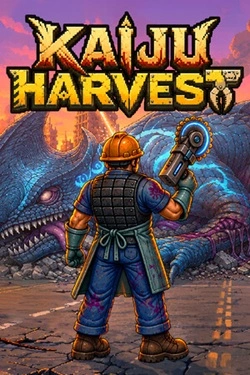
2026
Each carcass becomes a true resource deposit. Skinning monsters, harvesting meat, bones, organs, coins, and rare amber, after
Open card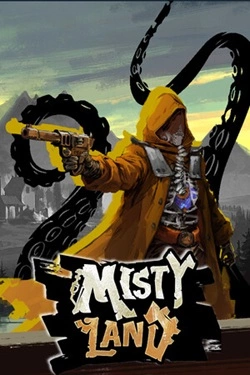
2026
Important role is played by the design of your city. Choose appropriate structures, place them in convenient locations and gradually expand the available
Open card ARTICS TOOLSОнлайн-инструменты для работы с изображениями, файлами, QR-кодами и веб-технологиями.
 ARTICSNETДомены, хостинг, DNS, SSL, электронная почта и управление интернет-сервисами в единой платформе.🚧 Скоро запуск · В разработке
 ARCTICS NETWORKПроверка IP-адресов, доменов, DNS-записей и диагностика сетевых подключений.