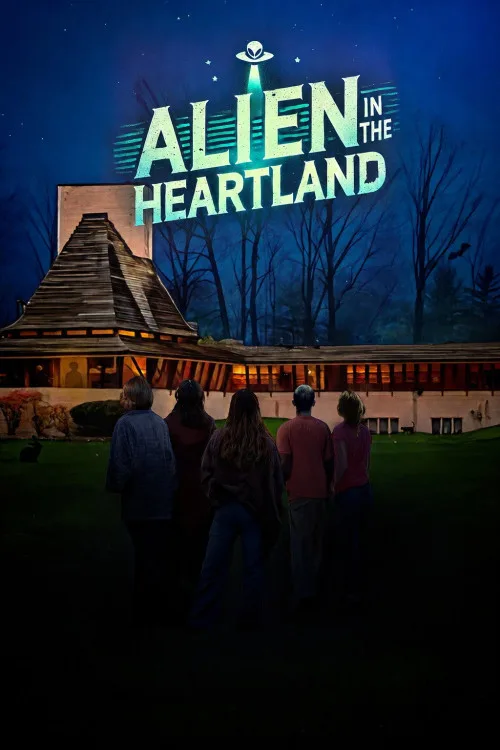
Alien in the Heartland
2026
Amidst growing fears of an alien invasion with shapeshifting capabilities, a paranoid widower imprisons two sisters seeking refuge, convinced one is an extraterrestrial.
Open card ARTICSTRACKER
1934
Poruchik Kizhe - Пору́чик Киже́ ( Lieutenant Kijé ) (1934) Aka: The Czar Wants to Sleep With subtitles Revised 2018 – frames edited, better flicker removal To get subtitles, click on the second version, and then on the CC icon. This is a delightful comedy about a fictional Lt. Kizhe who came about because of a scribe’s copying mistake. The officials were afraid to embarrass the Czar, so they created a fictional Kizhe who served as a convenient scapegoat. After being whipped, exiled, returned, married, and promoted Kizhe finally had to die when the Czar wanted to meet him. This is the first movie with a Prokofiev film score, so it is an important historical document and should be considered a classic. But it is also a very enjoyable comedy. The music from the film was subsequently recycled by Prokofiev into the popular Lieutenant Kijé suite. The story originated with a family story recounted in Vladimir Dahl's "Rasskazy o vremenakh Pavla I" ("Stories of the time of Paul I") in the journal Russkaya starina in 1870. Iit was expanded by Yury Tynyanov into a novella and movie with added fictional events. The score was provided by Prokofiev, while abroad, as segments that could be inserted and repeated as needed. Later it was recycled by Prokofiev into the popular Lt. Kijé suite. Kijé is the French transliteration, but Kizhe is correct for English. The story parodied Paul I, the son of Catherine the Great. But there is a possible suspicion that the movie may have also been intended as a criticism of the current Soviet government, disguised as a historical story. Paul was actually revered by many of his people and was idealistic and generous but also mercurial and sometimes vindictive. The depiction in the movie of his paranoia is probably accurate. His fear may not have been misplaced because shortly after he occupied his new “secure” palace he was assassinated. It is unknown whether a mythical Kizhe was actually invented to prevent Czarist embarrassment. So the movie is an amusing caricature of Paul which is not quite accurate. Watching this film, one gets a new view of the music in the Lieutenant Kijé suite. The biggest surprise was the Troika. In the usual concert notes it is depicted as a pleasant winter ride of Kijé and his bride in a three horse sleigh. In the movie it is a drunken manic ride of Count von Pahlen who is “escorting” Kijé back from Siberia, before the wedding. The ride happens on a summer night in a three horse cart and the Count’s constant companion is a humongous jug of vodka. The count kisses the Siberian commandant who accompanies him partway. It was common in traditional Russia for men to kiss on the lips as a sign of friendship and it has no sexual connotation. It is too bad that the concert Troika is not usually performed with the rollicking song used in the movie. Most of the movie music is in the suite with the exception of the dissonant whipping music. Notice when the scribe makes the mistake, Kiji’s birth is heralded by quiet music. Be warned that there is no sound during the credits, and the sound begins with a very faint trumpet call. One of the credits is obviously missing, but the complete known credits are listed at the end of the film. There are closed captioned English subtitles, enhanced for the deaf, on this video. This copy of this public domain movie was restored from sources on the web. All of the sources on the web apparently came from the same original digitized source, but were probably recorded from different Russian TV broadcasts with different quality. One source has slightly clearer picture, but missing pieces, more cropping, and badly compressed audio. Another source was more complete and had uncompressed audio, but the video was poorly processed and overbrightened which washed out detail in some frames. Unfortunately a high quality digital version is not available as this movie merits a Criterion edition. All sources were apparently recorded using old technology and the film jittered a lot with changes in focus, brightness, and framing. The automatic brightness circuit oscillated and caused fast flicker. The film sometimes moved during frame capture. In addition the primitive automatic corrections produced unstable brightness at scene changes, smeared detail, and overexposed frames. The poor handling of the film included finger prints, scratches, dirt, and one frame with a large squashed bug (removed). The original inexact editing left a few orphan frames from previous scenes during a transition (retained). The troika scenes sometimes use the same sequence more than once. I spotted a bug in one corner of 2 separate identical distant frames during the troika. See if you can find it. This copy of the video is partially stabilized in both position and luminance and sharpened to produce a more watchable version. Some very bad frames were fixed by duplicating a nearby frame, and some manual adjustments were made to intensity and positioning. Video noise was partially
0a33899ddd0f67d5bd23d4662f65bb63b436a0f92026
Amidst growing fears of an alien invasion with shapeshifting capabilities, a paranoid widower imprisons two sisters seeking refuge, convinced one is an extraterrestrial.
Open card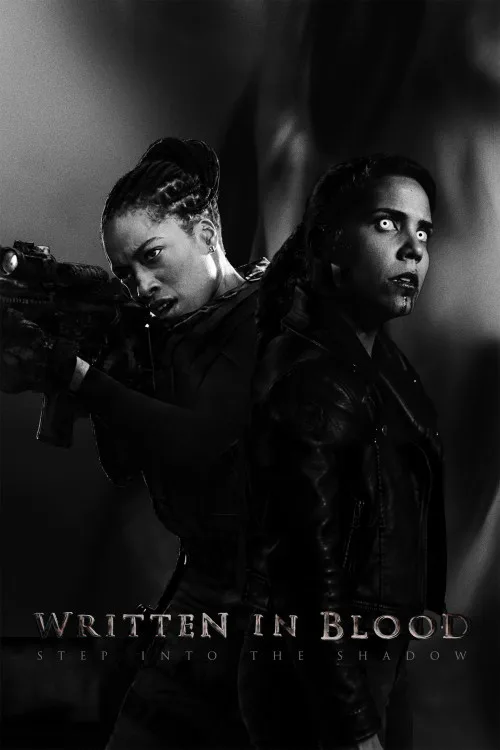
2026
When Selena's family is wrongfully executed by the Mexican Cartel, she wages a violent war against their leader, Lucas Almonte. She forms an unexpected alliance with Nuevo Laredo Police Detective Alex, who has her own demons to face.
Open card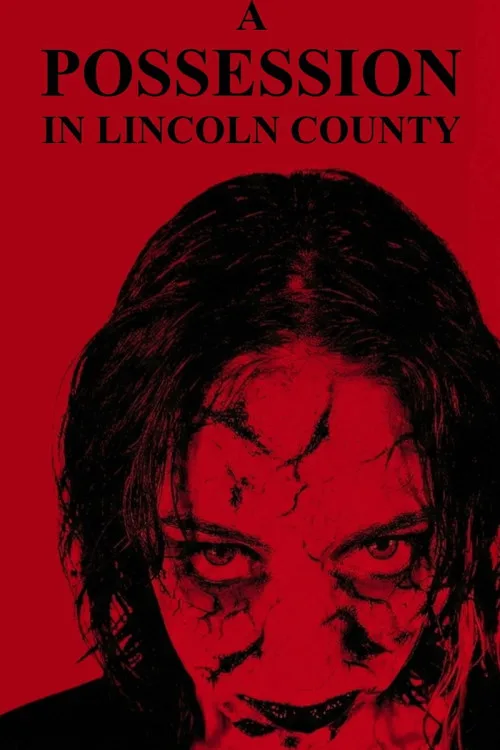
2026
A man documents his wife's cancer-until a terminal diagnosis leads him to an ancient ritual to summon the Devil and make a deal. His footage spirals into a chilling record of kidnapping, demonic rituals, and the price of desperation.
Open card
2026
A zombie outbreak happens at local strip club. Patrons and dancers attempt to survive.
Open card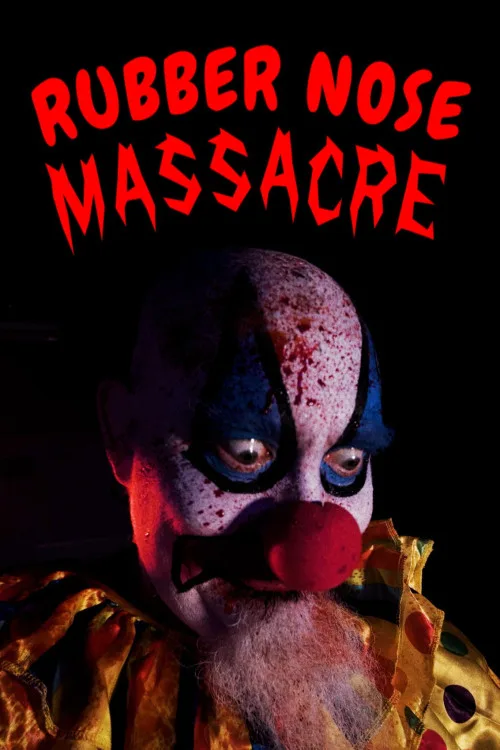
2026
Two Florida Man vigilantes hunt for a psychopathic serial killing clown.
Open card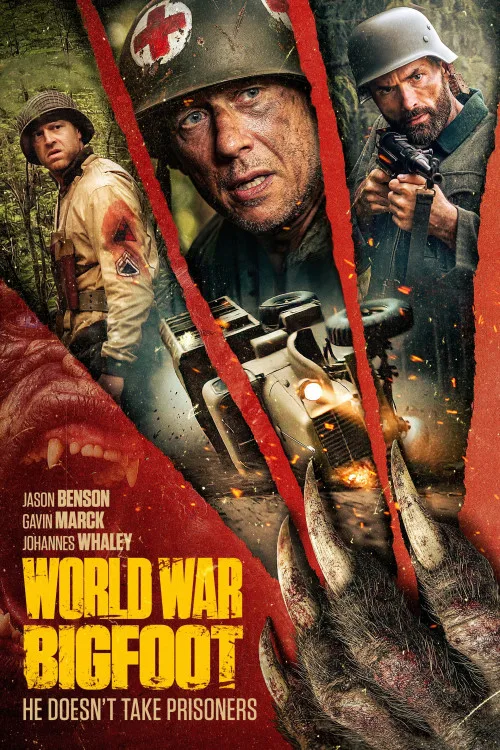
2026
When his platoon is ambushed during WWII, an American medic must evade the enemy in the nearby forest, unaware that something else lurks there.
Open card
2026
When a delusional killer in a cowboy costume starts treating a small town like his personal shooting range, two bumbling detectives must track him down and free his captive bride before he kills again.
Open card
 ARTICS TOOLSОнлайн-инструменты для работы с изображениями, файлами, QR-кодами и веб-технологиями.
 ARTICSNETДомены, хостинг, DNS, SSL, электронная почта и управление интернет-сервисами в единой платформе.🚧 Скоро запуск · В разработке
 ARCTICS NETWORKПроверка IP-адресов, доменов, DNS-записей и диагностика сетевых подключений.