
Rom Coms Must Die
2026
A disgruntled filmmaker and his sidekick cousin takes drastic actions to get their second film produced in a changing world of motion picture storytelling.
Open card ARTICSTRACKER
1997 · KonCategoryIII
Hero ( Chinese : 馬永貞 ; Jyutping : Ma 2 Wing 2 Zing 1 ) is a 1997 Hong Kong martial arts film written and directed by Corey Yuen . The film stars Taiwanese-Japanese actor Takeshi Kaneshiro , established Hong Kong action stars from the China Drama Academy ( Yuen Biao , Yuen Wah , Corey Yuen, Yuen Tak) and Hong Kong actresses Valerie Chow and Jessica Hsuan . Hero is a remake of the 1972 film Boxer from Shantung . The film was produced by then TVB chairwoman Mona Fong . [ 1 ] Plot At the end of the Qing Dynasty due to poverty and starvation, Ma Wing-jing (Takeshi Kaneshiro) and his older brother Ma Tai-cheung ( Yuen Wah ) flee from their harsh homeland to the big city of Shanghai to make their fortune. Once they arrive in Shanghai reality sets in and both are only able to secure jobs as coolies (bitter hard manual labor) making chump change. Wing-jing admires the local triad gangster boss Tam Sei's (Yuen Biao) life style. Tam, seeing Ma Wing-jing admire his horse carriage, challenges Wing-jing to a human versus horse race. Wing-jing accepts his challenge, after seeing Wing-jing's determination, loyalty, fighting skills and athleticism, the two strike up a friendship and Tam tells Wing-jing to visit his night club one day if he ever needs help. The two most powerful mob bosses in Shanghai are Tam Sei, who has the British government backing him, and Yang Shuang (Yuen Tak), who has the entire Shanghai police force working for him. Both are at odds to gain full control of Shanghai's crime organization. Ma Wing-jing gains more trust from Tam Sei when he hears about and intervene's in Yang Shaung's assassination attempt on Tam Sei, saving Tam's life. As a reward, Tam gives Wing-jing a small territory in Shanghai to control. Wing-jing uses it to his advantage to gain more territory in Shanghai. All is well and prosperous until he tries to conquer the territory belonging to Yang Shuang. Blinded by his power and greed, he is betrayed by the one he had trusted the most, leading to tragedy for himself and Tam, who, despite Wing-jing's foolishness, still remains his friend. [ 2 ] [ 3 ] Cast Takeshi Kaneshiro as Ma Wing-jing Yuen Biao as Tam Sei Jessica Hsuan as Kam Ling-tze Valerie Chow as Yam Yeung-tien Yuen Wah as Ma Tai-cheung Yuen Tak as Yang Shuang Corey Yuen Kwai as Uncle Po Production crew Production Manager: Jackson Ha Sound Recording: True Technic Limited Art Director: Lau Man-hung Lighting: Chan Wai-lin Planning: Chang Oi-bing, Wan Pak-nam, Lawrence Wong Makeup: Lee Wai-fong Hair Stylist: Sharon Li Costume Designer: Dora Ng Props: Lai Yu, Hung Hin-fat Assistant Director: Bill Chan, Chan Sek Action Director: Yuen Tak, Corey Yuen Assistant Action Director: Jonathan Ting, Jacky Tang Pom Pom and Hot Hot (1992) Review Posted on October 27, 2022 by Henry McKeand Director: Joe Cheung Tung Cho Cast: Jacky Cheung Hok Yau, Stephen Tung Wei, Rachel Lee Lai Chun, Alfred Cheung Kin Tin, Austin Wai Tin Chi, Lam Ching Ying, Bonnie Fu Yuk Jing, Ricky Cheung Kwok Leung, Guy Lai Ying Chau, John Ching Tung Runnin The early heroic bloodshed films from John Woo and his contemporaries were, above all, Heaven-or-Hell morality tales. These are stories of violent men who fight desperately to hold onto their moral codes and free themselves from fate, hence the word “heroic.” The “bloodshed” occurs because the characters need to escape their tragic destinies. This is what so many Hollywood “Gun Fu” movies failed to understand–the doves and dives and dying only mean something if there are themes of redemption and brotherhood behind it all. In this era of Hollywood action, the earnest reckoning with sin in something like The Killer feels downright alien. In fact, the West was never comfortable with recognizing Woo’s two-handed shootouts for what they really were: cathartic visual metaphors where every bullet was an extension of both the body and the spirit. How does this take us to Pom Pom and Hot Hot , a largely forgotten Hong Kong action comedy from 1992? Directed by Joe Cheung Tung-Cho, the film centers around characters who are completely uninterested with the basic consequences of violence, let alone the fabric of their mortal souls. The two lead cops, played by Jacky Cheung and Stephen Tung Wai, are happy-go-lucky vessels for broad comedy and buddy movie hijinks. They never seem particularly worried about the ruthless villains, even when their lives are threatened. The movie itself weightlessly moves from one comedic set piece to the next without consideration for theme or tonal consistency. This makes it all the more surprising that when the movie shifts into an action register, it delivers some of the finest heroic bloodshed style gunplay you’ll ever see. These scattered action scenes are hard to beat in terms of sheer spectacle, but the emotional resonance of Woo’s masterpieces is completely absent, proving that Western filmmakers don’t have a monopoly on borrowing the kinetic flair of Woo’s style while leaving its serious underpinn
e0d4eb1f918a64f65fbf220a3f64eaf79932a1a92026
A disgruntled filmmaker and his sidekick cousin takes drastic actions to get their second film produced in a changing world of motion picture storytelling.
Open card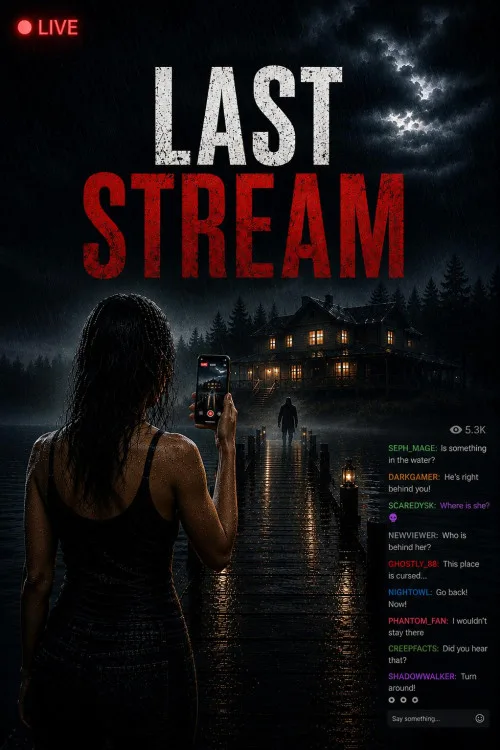
2026
Desperate for views, a fading streamer stages a fake haunting connected to an unsolved case. The stream spirals into a real-time nightmare watched by tens of thousands and someone in the chat seems to know exactly how the night will end.
Open card
2026
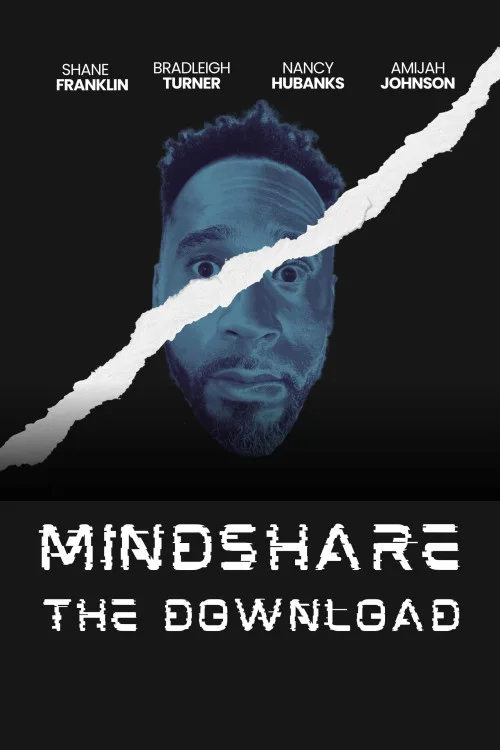
After joining Mindshare, Evan begins experiencing vivid flashes of a life he doesn't remember. The company insists these are normal side effects of neural acclimation, but Evan soon discovers that his memories have been edited, replaced, and repurposed. As he uncovers the identity of the man whose m
Open card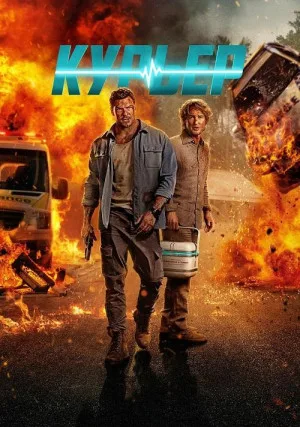
2026
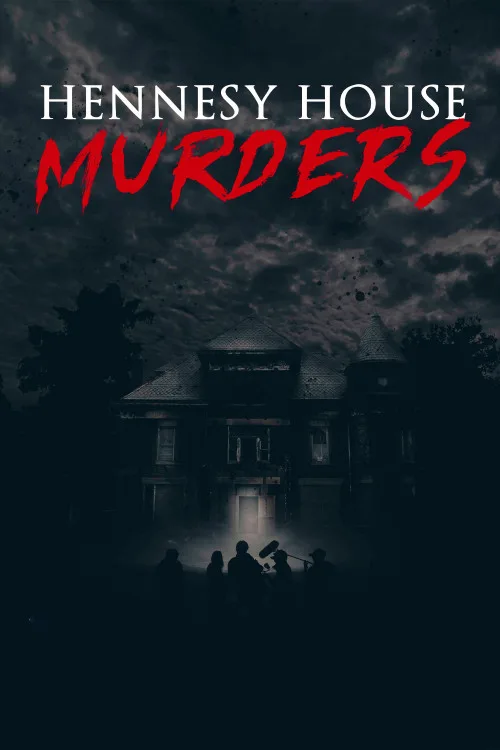
This spine-chilling film follows the crew of a popular Ghost Hunting TV show as they explore the notorious Hennesy House, only to encounter unspeakable horrors.
Open card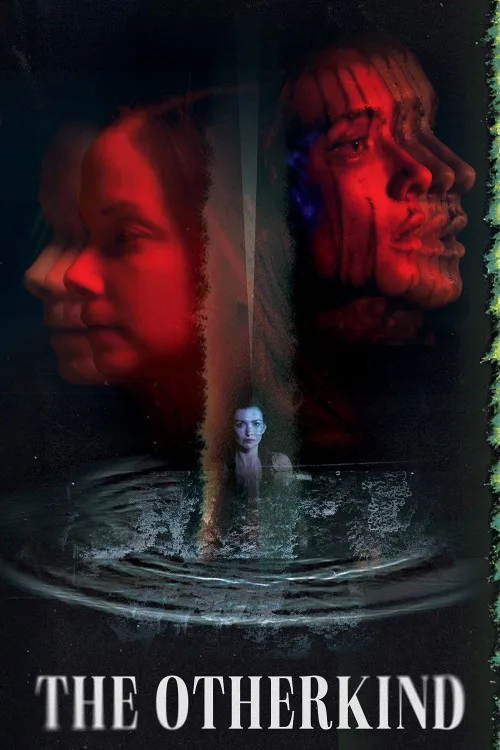
2026
Chaos seeps into a sleepy mountain lake town, as something sinister comes to the surface.
Open card ARTICS TOOLSОнлайн-инструменты для работы с изображениями, файлами, QR-кодами и веб-технологиями.
 ARTICSNETДомены, хостинг, DNS, SSL, электронная почта и управление интернет-сервисами в единой платформе.🚧 Скоро запуск · В разработке
 ARCTICS NETWORKПроверка IP-адресов, доменов, DNS-записей и диагностика сетевых подключений.