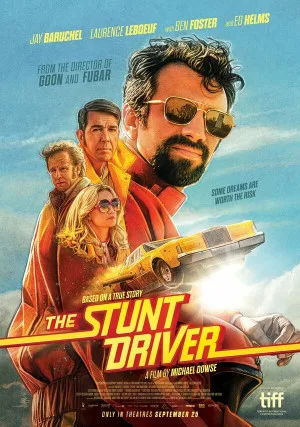
The Stunt Driver
2026
The film tells the story of how the daring stunt driver Ken Carter in the 1970s attempts to perform a bold trick — jumping on a jet-powered car across the Saint Lawrence River from Canada to ......
Open card ARTICSTRACKER
1955 · Wallace MacDonald · Columbia Pictures
While the Lindbergh law is no longer a issue. The death penalty is. For, or against it. Is it a deterrent? Is it not? Cruel and unjust punishment or just punishment. I don't agree with it being used in this particular case. Rape is a horrible crime. Kidnapping and robbery are traumatic but not crimes where someone should have their life taken. I posted this movie hoping to start a discussion about the death penalty. Do we need it? Do we abolish it? Is there a better way? Cell 2455, Death Row is a 1955 American crime film noir directed by Fred F. Sears and starring William Campbell and Robert Wright Campbell. It is based on the 1954 book of the same name. Caryl Whittier Chessman (May 27, 1921 – May 2, 1960) was a convicted robber, kidnapper and serial rapist who was sentenced to death for a series of crimes committed in January 1948 in the Los Angeles area. Chessman was charged with 17 counts and convicted under a loosely interpreted "Little Lindbergh law" later repealed, but not retroactively that defined kidnapping as a capital offense under certain circumstances. His case attracted worldwide attention, and helped propel the movement to end the use of capital punishment in the state of California. While in prison, Chessman was considered vexatious, with one judge writing in 1957, "[Chessman is] playing a game with the courts, stalling for time while the facts of the case grow cold." Chessman wrote four books, including his 1954 memoir Cell 2455, Death Row. The book was adapted for the screen in 1955 and stars William Campbell as a character modelled after Chessman. Chessman was born Carol Whittier Chessman (CAROL was, at the time, a popular name for boys of Danish descent; Chessman himself later changed the spelling to CARYL) in St. Joseph, Michigan, the only child of Serl Whittier and Hallie Lillian (née Cottle) Chessman. Crimes and conviction: In the first three weeks of January 1948, a number of robberies and thefts were reported throughout the Greater Los Angeles Area. On January 3, two men robbed a haberdashery in Pasadena with a .45 caliber semi-automatic pistol. On January 13, a 1946 Ford coupe was stolen from a Pasadena street. On January 18, a man driving a car described as a 1947 Ford coupe fitted with a police red light stopped a vehicle near Malibu Beach, then used a .45 caliber pistol to rob the vehicle's occupants. Later that day a second couple were robbed in the same manner near the Rose Bowl. Police quickly began to suspect a common perpetrator, and Los Angeles newspapers dubbed the suspect "The Red Light Bandit." On January 19, a third couple were robbed as they sat parked on a hill in West Pasadena, and the woman, Regina Johnson, was forced to perform oral sex on her assailant. On January 22, a fourth couple returning home from a church dance was pulled over on Mulholland Drive. The assailant dragged the girl, 17-year-old Mary Alice Meza, a short distance to his vehicle. Her boyfriend then drove away and was pursued by the assailant. After an unsuccessful attempt to force the male victim off the road, the perpetrator drove Meza to a secluded area where he forced her to engage in oral and anal sex, threatening to kill her boyfriend if she did not comply. The following day, police in North Hollywood attempted to stop a 1946 Ford coupe matching the description given by Meza and her boyfriend, and also by witnesses to a robbery at a clothing store in Redondo Beach earlier that day. After a high-speed chase, the vehicle's occupants, Chessman and David Knowles, were captured and arrested. After a 72-hour interrogation, during which Chessman later claimed he was beaten and tortured, Chessman confessed to the "Red Light Bandit" crimes. He was also positively identified by the rape victims, Johnson and Meza. In late January 1948, Chessman was indicted on 18 counts of robbery, kidnapping, and rape. After a three-week trial in May, he was convicted on 17 of the 18 counts, and was sentenced to death. Appeals and controversy Part of the controversy surrounding the Chessman case stemmed from the state's unusual application of the death penalty. At the time, under California's version of the "Little Lindbergh Law," a crime that involved kidnapping with bodily harm could be considered a capital offense. Two of the counts against Chessman alleged that he dragged Johnson 22 feet from her car before demanding oral sex, and that he abducted Meza against her will, driving her a considerable distance before raping her. The court ruled that both actions fit the law's definition of kidnapping with bodily harm, thus making Chessman subject to the death penalty under the law. The law was repealed by the time his trial began but was in effect at the time of the crimes; the repeal was not applied retroactively. Chessman asserted his innocence from the outset, arguing throughout the trial and the appeals process that he was alternately the victim of mistaken identity, or of a conspiracy to frame him; he also claimed
en
95c18644c2a3e06f95d2eeaecfa106e3e2dd96432026
The film tells the story of how the daring stunt driver Ken Carter in the 1970s attempts to perform a bold trick — jumping on a jet-powered car across the Saint Lawrence River from Canada to ......
Open card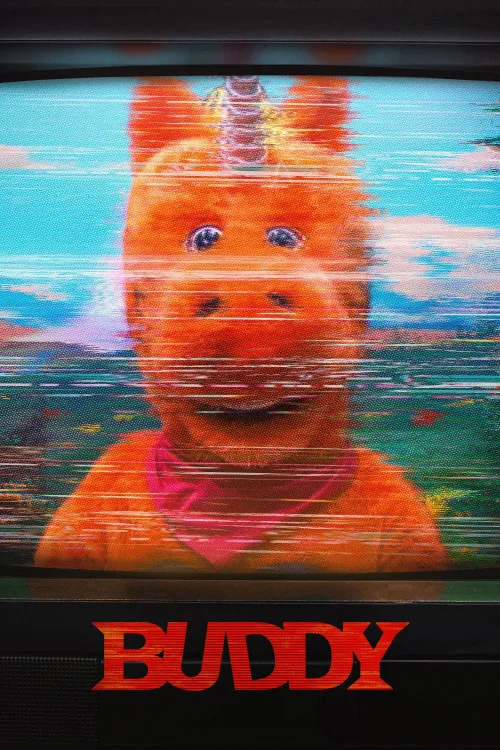
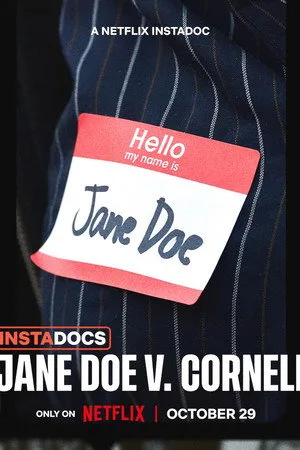
2026
Instadocs goes inside the rape investigation and Jane Doe lawsuit at Cornell University, with the student journalists at the forefront of the story.
Open card
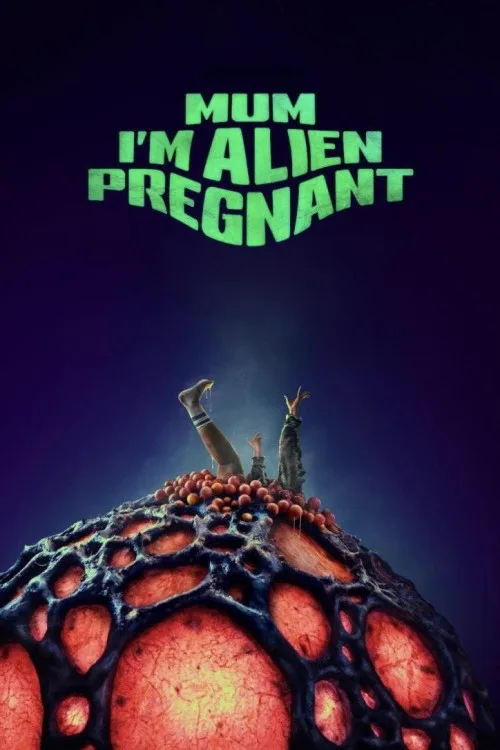
2026
When a messy millennial underachiever accidentally gets alien-pregnant she must overcome sceptical doctors, a useless baby-daddy, and her oversharing mum in order to survive and reclaim her life.
Open card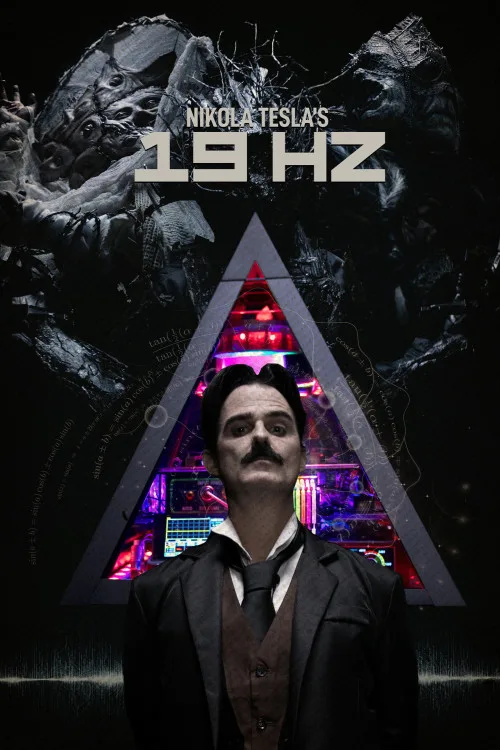
2026
Nikola Tesla-visionary, inventor, genius. The world remembers his groundbreaking discoveries, but few know the secret that consumed his final years: a relentless quest to reach the other side.
Open card

2026
When a perfect family relocates to rural America, their isolated idyll quickly becomes threatened by a disturbingly volatile neighbor.
Open card ARTICS TOOLSОнлайн-инструменты для работы с изображениями, файлами, QR-кодами и веб-технологиями.
 ARTICSNETДомены, хостинг, DNS, SSL, электронная почта и управление интернет-сервисами в единой платформе.🚧 Скоро запуск · В разработке
 ARCTICS NETWORKПроверка IP-адресов, доменов, DNS-записей и диагностика сетевых подключений.