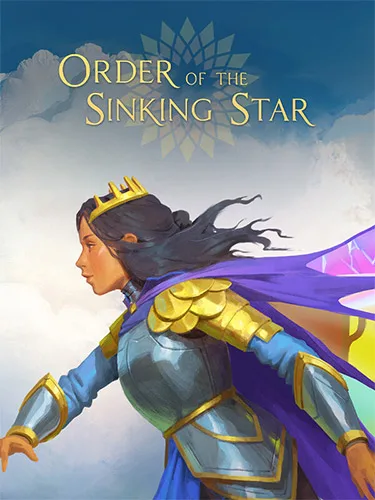
Order of the Sinking Star
2026
Скачать Order of the Sinking Star торрент на ПК (12,71 ГБ). Это интеллектуальное путешествие, в котором сложность рождается не из скорости или давления, а из…
Открыть карточку ARTICSTRACKER
1989 · puzzle · MS-DOS · В. Стефанов, В. Турчанинов
Оригинальная и интересная логическая игра от двух участников коллектива советских программистов “Инфосеть” – В. Степанова и В. Турчанинова. Как и остальные их работы, изначально она появилась на компьютерах “Электроника МС-1502”, а вскоре была перенесена на DOS. Правила следующие. Дан квадрат размером от 5х5 до 15х15, в каждой клетке которого случайным образом поставлена цифра от 1 до 9. Компьютер выбирает любую из них; она исчезает с поля, а на счёт компьютера заносятся очки соответственно цифре (1 – одно очков, 2 – два очка и т. д.). Затем мы должны выбрать свою клетку с цифрой, но в той же горизонтали, что и выбранная до этого компьютером. Эти очки заносятся на наш счёт, а затем компьютер опять выбирает клетку, но уже в той вертикали, где была выбранная нами. Таким образом, каждый ход игрок не только берёт цифру, но и тем самым задаёт область, где сможет сделать ход его противник. Цель – набрать больше очков, чем соперник. Тактика игры заключается в том, что далеко не всегда взятие как можно большей цифры выгодно. Например, на нашей горизонтали остались цифры 3, 5 и 6. При этом на вертикали тройки (то есть там, где будет выбирать компьютер) остались только единицы, а на вертикалях пятёрки и шестёрки есть девятка. В данном случае при выборе тройки мы возьмём три очка, а противник одно, и в итоге мы будем иметь +2 в нашу пользу. При выборе 5 и 6, если противник возьмёт девятку, будет +4 или +3 в пользу оппонента. Впрочем, противник может и не выбрать девятку, – он ведь тоже просчитывает ходы (в зависимости от уровня сложности, коих тут 4). Да и более глубокий анализ, например на два шага вперёд, может показать, что в дальнейшей перспективе выгоден не тот ход, который кажется таким изначально. Игра заканчивается, когда либо на поле не остаётся цифр, либо, что более вероятно, ход сделать невозможно. Как уже было сказано, можно выбрать размер поля и уровень сложности. Помимо этого, есть возможность настроить скорость полёта цифр из ячеек в копилки игроков и палитру (всего две расцветки). Графика здесь на уровне схематичной, но это совершенно неважно. Итог: очень увлекательная головоломка, которая рекомендуется всем. ---------------------- An original and interesting logic game from two members of the Soviet programmers' collective "Infoset" - V. Stepanov and V. Turchaninov. Like their other works, it initially appeared on the Elektronika MS-1502 computers, and was soon ported to DOS. The rules are as follows. A square of 5x5 to 15x15 in size is given, in each cell of which a number from 1 to 9 is randomly placed. The computer chooses any of them; it disappears from the field, and points are added to the computer's account according to the number (1 - one point, 2 - two points, etc.). Then we must choose our cell with a number, but in the same horizontal line as the one previously chosen by the computer. These points are added to our account, and then the computer again chooses a cell, but this time in the same vertical line where the one we chose was. Thus, each move the player not only takes a number, but also thereby sets the area where his opponent can make a move. The goal is to score more points than your opponent. The game tactics are that taking the highest possible number is not always advantageous. For example, on our horizontal line there are numbers 3, 5 and 6. At the same time, on the vertical of three (that is, where the computer will choose) there are only ones left, and on the verticals of five and six there is a nine. In this case, when choosing three, we will take three points, and the opponent will take one, and as a result we will have +2 in our favor. When choosing 5 and 6, if the opponent takes the nine, there will be +4 or +3 in favor of the opponent. However, the opponent may not choose nine - he also calculates the moves (depending on the difficulty level, of which there are 4). And a deeper analysis, for example, two steps ahead, can show that in the long term the move that initially seems advantageous is not the one that is advantageous. The game ends when either there are no numbers left on the field, or, more likely, it is impossible to make a move. As already mentioned, you can choose the field size and difficulty level. In addition, there is the ability to adjust the speed of the numbers flying from the cells to the players' piggy banks and the palette (only two colors). The graphics here are at the level of schematic, but this is completely unimportant. Result: a very exciting puzzle that is recommended to everyone.
ru
174ed017d29c2c0a7bccc0b49e949a63be78300c2026
Скачать Order of the Sinking Star торрент на ПК (12,71 ГБ). Это интеллектуальное путешествие, в котором сложность рождается не из скорости или давления, а из…
Открыть карточку
2026
Каждый отсек A.R.E.S. представляет собой интерактивную среду, наполненную предметами с собственной историей и функцией. Головоломки встроены в саму
Открыть карточку
2026
Корел — мир, где прошлое и будущее стираются каплями дождя. Вы — Одна, чья душа растворена в водах эфира. Исследуйте парящие острова, возвращай
Открыть карточку
2026
Pakinpaks - это уютная головоломка, в которой вам предстоит стать мастером в искусстве упаковки чемоданов! Путешествуйте по всему миру, раскладывая чемоданы, сумки и коробки, выполняя по пути определенные задания.
Открыть карточку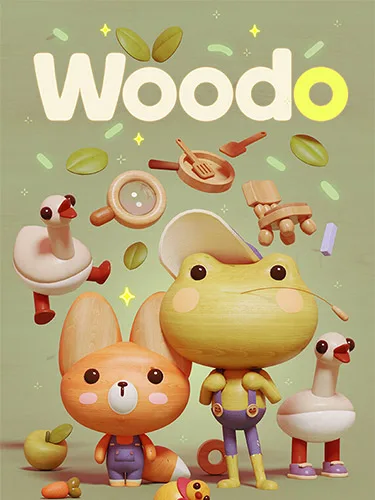
2026
Woodo — милый головоломка, где игроки собирают деревянные декорации по кусочкам. Когда все части устанавливаются на правильное место, декорация оживает и заполняется яркими красками. В каждой сцене ждут свои события и маленькие сюрпризы. Узнайте историю Фокси и лягушки Бена, просматривая серию декор
Открыть карточку
2025
Перед вами классический симулятор разработки ПО. Попросту говоря, это невероятная 3D-головоломка, позво
Открыть карточку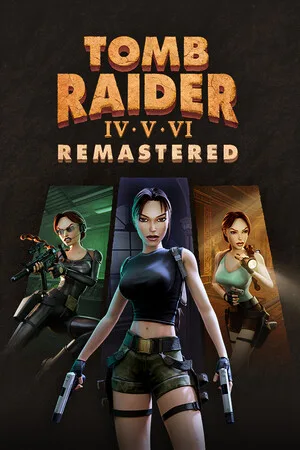
2025
Во второй части, в результате предыдущих событий, Лара оказалась заперта в египетской гробнице. Во время прощальной церемонии
Открыть карточку
2025
Каждое движение требует предельной точности. Простая виноградина превращается в босс-файт, а мятный леденец — в тест на терпение. Уров
Открыть карточку ARTICS TOOLSОнлайн-инструменты для работы с изображениями, файлами, QR-кодами и веб-технологиями.
 ARTICSNETДомены, хостинг, DNS, SSL, электронная почта и управление интернет-сервисами в единой платформе.🚧 Скоро запуск · В разработке
 ARCTICS NETWORKПроверка IP-адресов, доменов, DNS-записей и диагностика сетевых подключений.